
Co-designed by the Impact Investing Institute and the Scottish National Investment Bank (SNIB), this project brings together investors, policymakers and practitioners to identify opportunities to grow impact investing across Scotland. Aligned with the Bank’s missions of Net Zero, Place and Innovation, it focuses on opportunities to unlock capital and build the infrastructure needed to channel more capital into impactful projects.
Why now: The role of impact capital
Impact investing in the UK is now worth £76.8 billion (2023) and growing over 10% annually. For Scotland, this is a pivotal moment – with world-class energy expertise, strong financial services and vibrant communities, it is well placed to benefit.
Drawing on the Institute’s expertise in Place-based impact investing and Just Transition Finance and the Scottish National Investment Bank’s (SNIB) leadership in mission-led investment, this initiative brings together investors, policymakers, businesses and community leaders to:
- Highlight opportunities for impact investment in Scotland.
- Share lessons and practical examples from across the ecosystem.
- Explore the architecture to channel more capital into impactful projects.
- Ensure the transition is not only green, but also fair and inclusive.
A three-part series across Scotland
To explore the role of impact capital in supporting Scotland’s long-term economic, social and environmental ambitions, we are convening a three-part event series aligned with the Scottish National Investment Bank’s missions of Net Zero, Place and Innovation. Each event brings together investors, policymakers, businesses, community leaders and practitioners to share insights and identify opportunities for action.
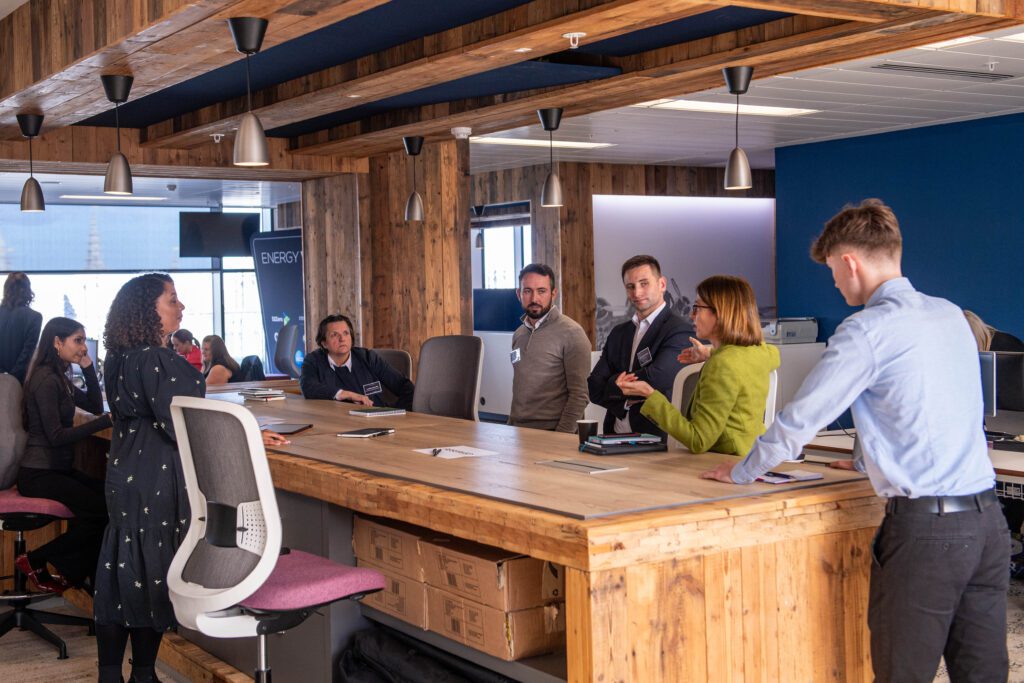
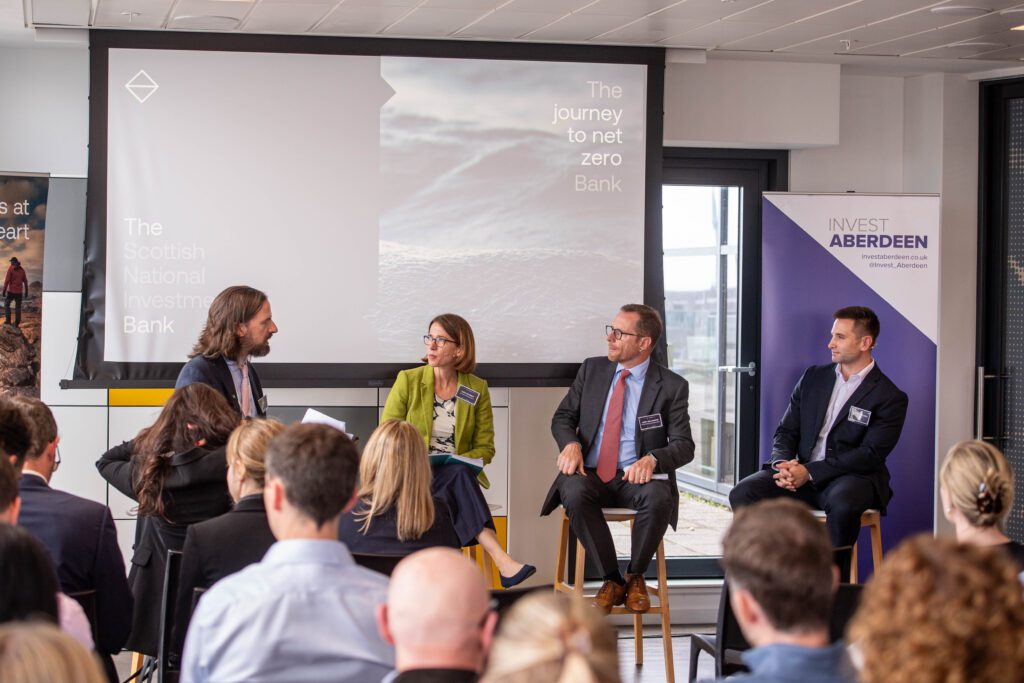
Transition Finance: Aberdeen, September 2025
More than 50 investors and industry leaders came together to explore how impact investors and those adopting impact-driven strategies can act as catalysts for change by supporting businesses through their transition journeys.


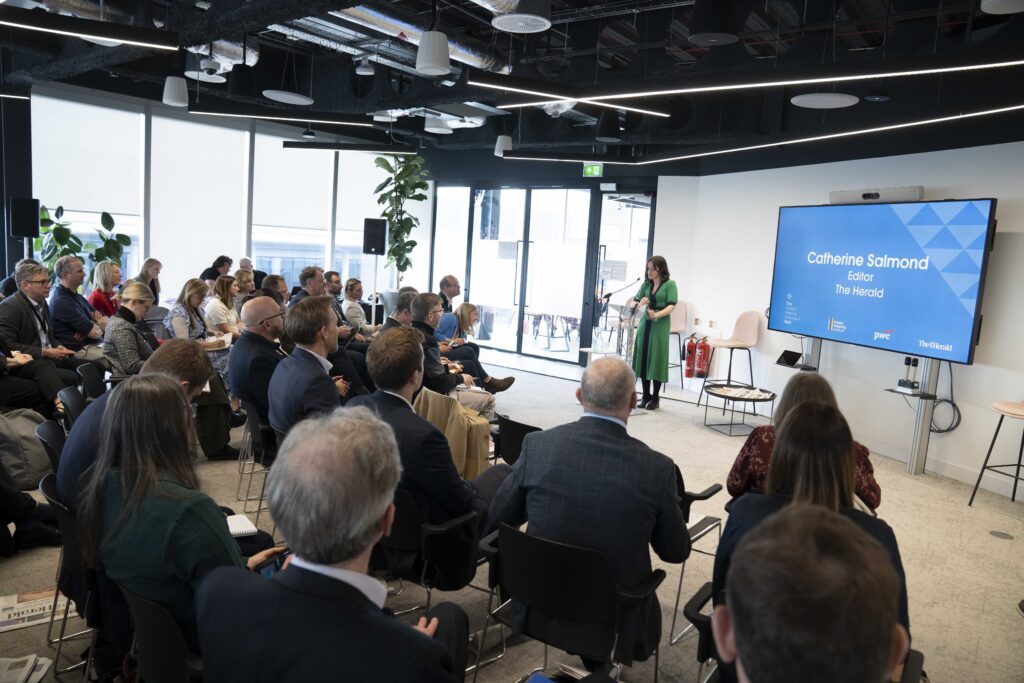
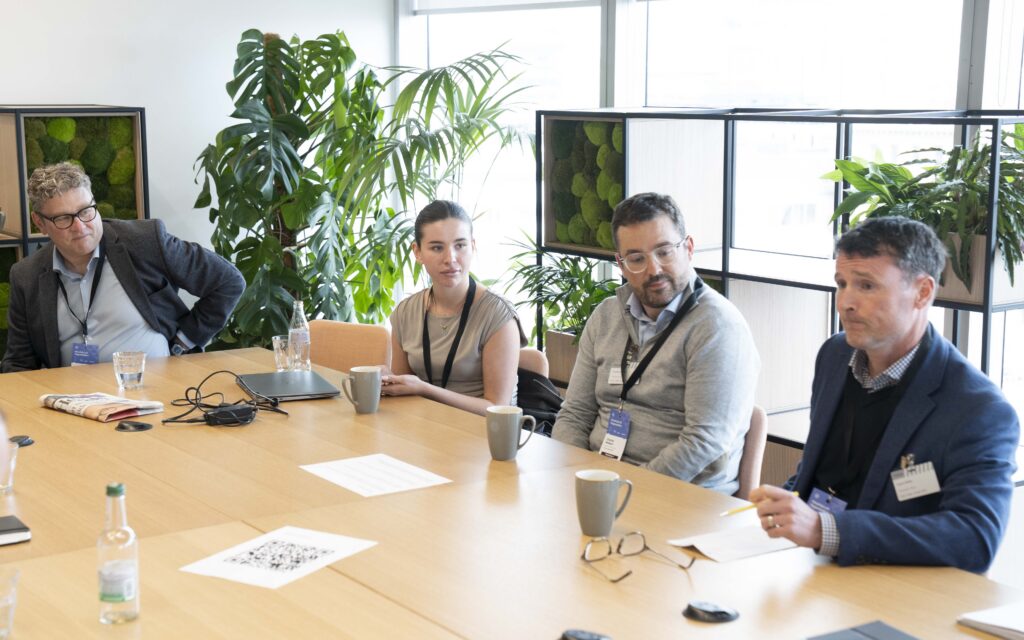
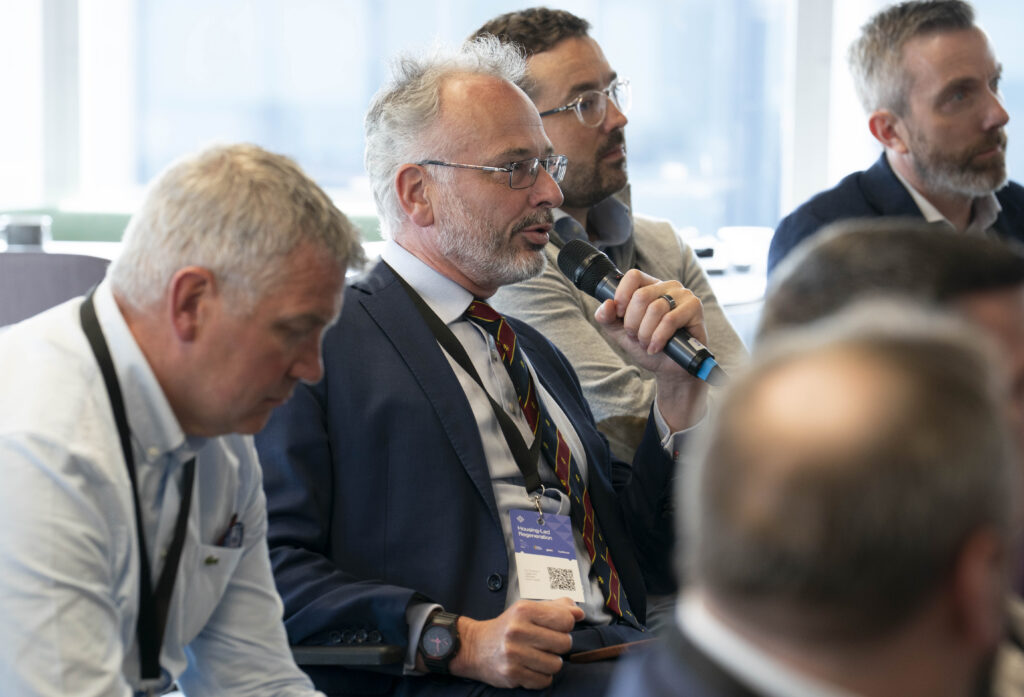
Financing Housing-led Regeneration: Glasgow, May 2026
Over 70 representatives from across Scotland’s housing and regeneration ecosystem examined how public and private capital can work together to unlock investment, accelerate housing-led regeneration and strengthen places and communities across Scotland.

Accelerating the Growth of Scottish Scaleups: London, November 2026
Scotland has a strong track record of generating innovative businesses, but many face challenges as they scale. Convening venture, growth and institutional investors alongside founders, public sector partners and ecosystem organisations, this final session will explore what it takes to scale innovative businesses successfully, how different capital structures can support growth and impact at different stages of development and where the greatest opportunities lie across Scotland’s innovation economy.
Project lead

Senior Programme Manager, Place-based impact investing