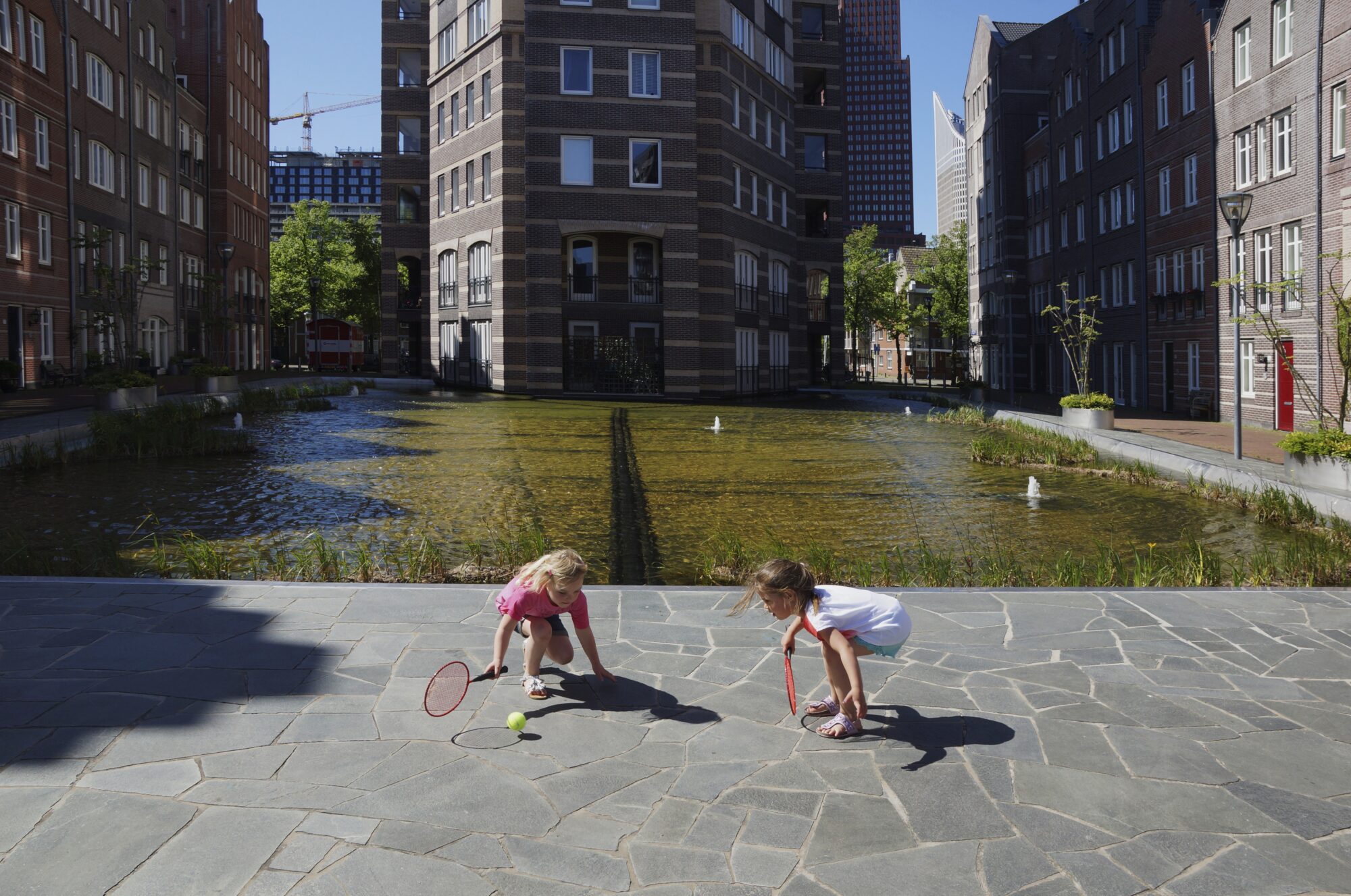
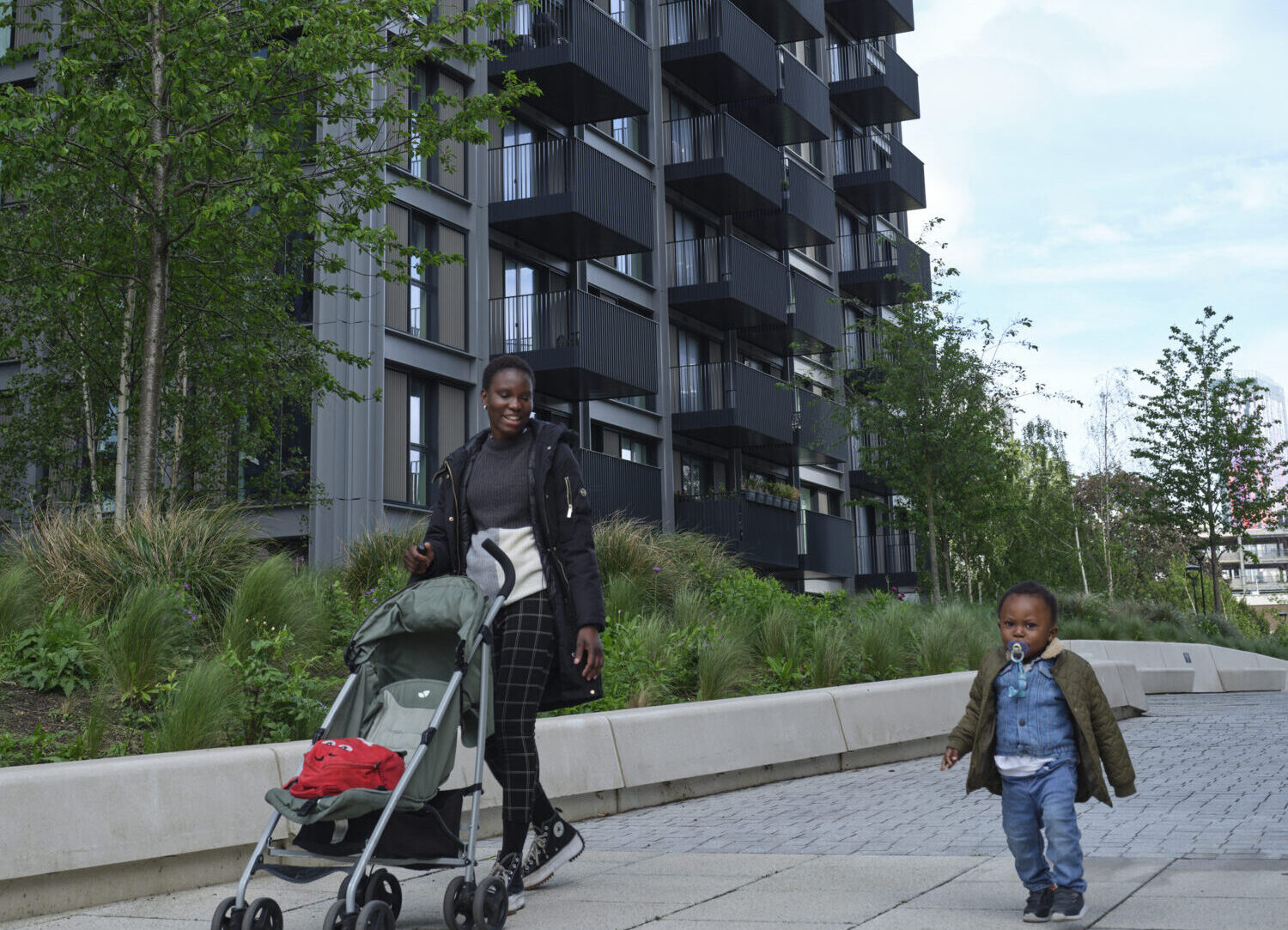
This programme aims to increase the delivery of affordable, high-quality homes that – through their design, build, and operation – support and nurture babies, toddlers, and their caregivers.
The opportunity
In the first years of life, children and caregivers spend around 80% of their time in and around their homes1. This period represents an intense time of transition for caregivers and a critical window of development for children: 90% of brain development occurs before age five2, shaping lifelong capacity for learning, emotional regulation and social interaction3. This means housing and the surrounding neighbourhood have a fundamental influence on health, development and life opportunities.
Childhood is also becoming increasingly urban – by 2050, 70% of people are expected to live in towns and cities4 – yet overcrowding, poor housing and homelessness remain persistent global challenges. Young children and caregivers already represent 20-35% of urban populations today5, making quality housing both a critical determinant of child development and a strategic investment in human capital – one with the power to transform cities and communities for generations to come.
Our approach
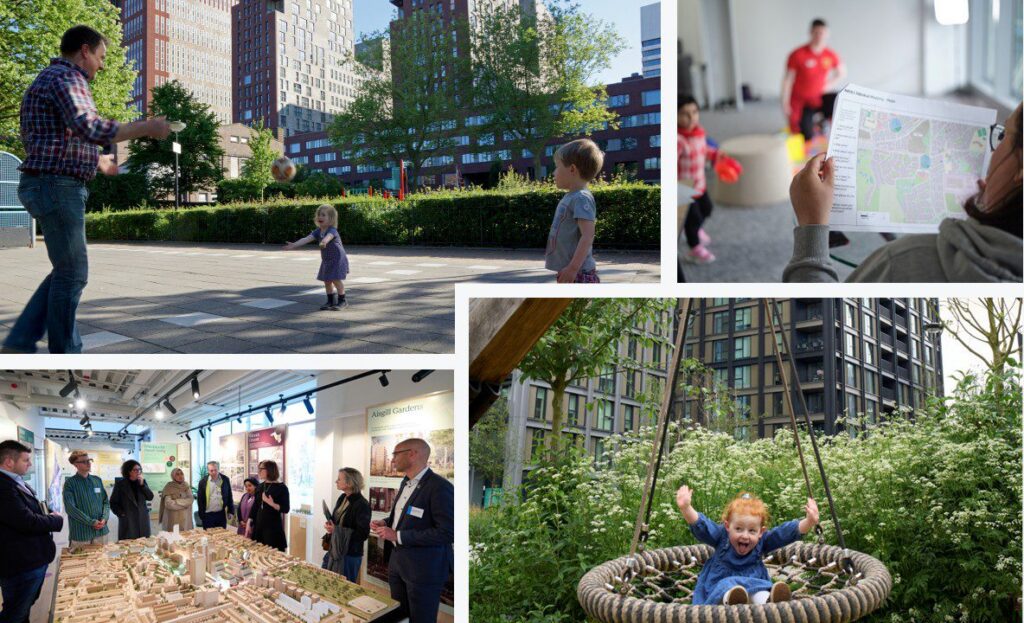
This programme will bring together housing investors, developers and managers in the UK, US, and Europe to increase the delivery of affordable, high-quality housing that helps families thrive. Drawing on the Van Leer Foundation’s expertise in early childhood development and the Institute’s experience in advancing Place-Based and Child Lens Impact Investing, the programme will:
- Develop a practitioner’s playbook exploring what good looks like for families with young children in the design, build, and management of housing for a good start, articulating the investment and impact case
- Convene housing and impact investment leaders at events in London, Amsterdam and New York to launch the playbook and advance the conversation
- Seed an expert network spanning impact investment, real estate investment, housing delivery, and early childhood development to pilot playbook approaches and share lessons learned
Sources:
1. The Developer. (n.d.).
Caregivers and young children rarely consulted in community engagement despite representing a third of the population.
2. National Health Service (NHS). (n.d.).
Early learning and development.
Retrieved December 29, 2025.
3. Tierney, A. L., & Nelson, C. A., III. (2009).
Brain development and the role of experience in the early years. Zero to
, 30(2), 9–13.
4. World Bank. (n.d.).
Urban development.
5. Child Friendly Cities Initiative. (n.d.).
Growing cities.
Get in touch